

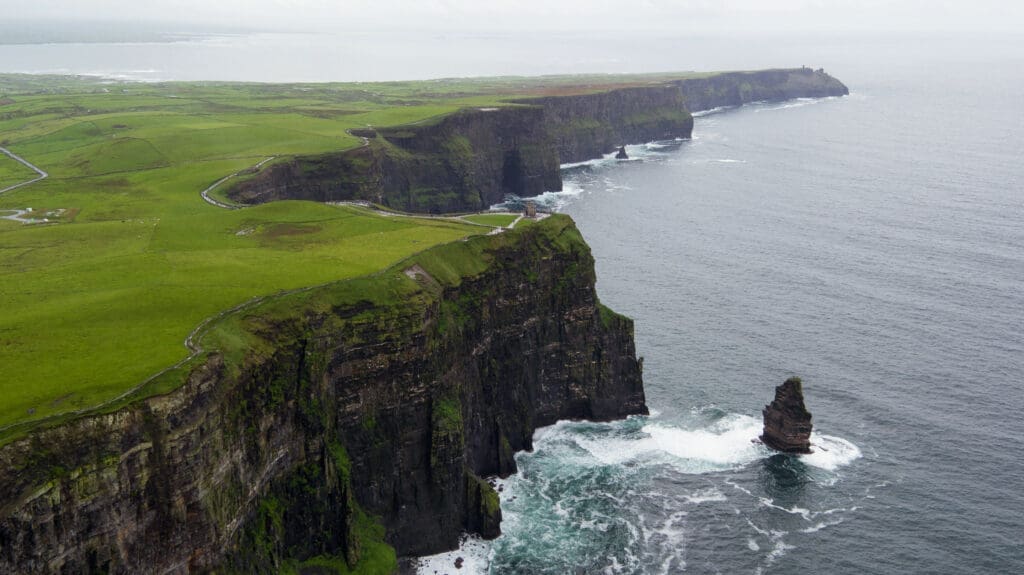
Eloping in Ireland is an unforgettable experience, filled with dramatic landscapes, rich culture, warm hospitality, and plenty of adventure. Whether you’re planning a legally binding ceremony or a symbolic vow exchange in a remote field or on a cliff overlooking the Atlantic, this guide will walk you through every step of the process so you can focus on your love and your journey.
Legal Requirements for a Marriage in Ireland
Getting legally married in Ireland, if that is your goal, involves specific steps that must be done in advance.
You must give at least three months’ notice of your intention to marry to the local civil registrar in Ireland. This notice can often be submitted remotely from abroad, but you will need to visit a registrar in person a few days before the ceremony to finalize paperwork. This is required regardless of nationality or gender.
You will also need to provide documentation, typically including valid passports, birth certificates, proof of address, and declaration forms. If you have been previously married, you will likely need divorce or death certificates as applicable.
Ireland uses a Marriage Registration Form (MRF) in place of what many other countries call a marriage license. You must collect this form from the registrar shortly before your ceremony and bring it to your solemnizer or officiant on your wedding day with two witnesses who are at least 18 years old.
There are slightly different procedures if you choose a civil ceremony, a religious ceremony, or a humanist ceremony. Civil ceremonies may need to occur during office hours and at approved locations, while other ceremonies have their own requirements.
For authoritative details directly from the Irish government about marriage requirements, see the official Getting Married in Ireland page on gov.ie.
Tip for International Couples
If you do not plan to complete the legal paperwork in Ireland itself, many couples choose to handle the legal marriage in their home country and then plan a symbolic elopement in Ireland at their dream location. A symbolic ceremony lets you choose any spot you wish without the legal hurdles, and then you bring your official marriage certificate with you. This is a popular option for elopements in remote places such as cliffs, beaches, castles, or national parks.
Travel Planning
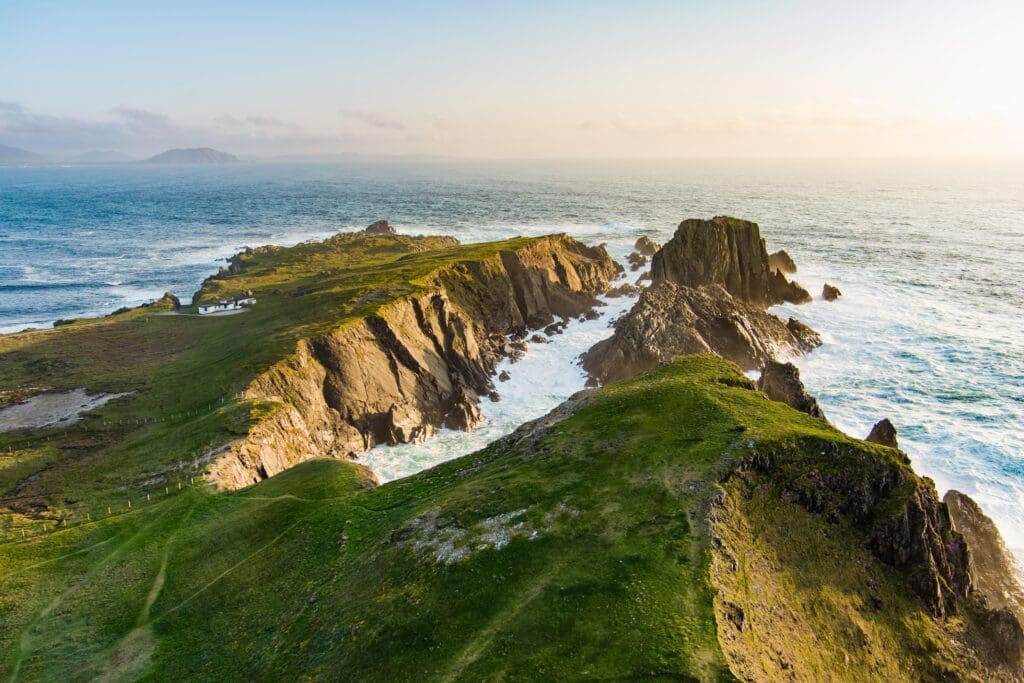
Entry Requirements and Visas
Before you elope, make sure you know the travel requirements for Ireland. Starting in 2025 most visa-exempt travellers will need an Electronic Travel Authorisation (ETA) before flying to Ireland. Your passport should be valid for at least six months beyond your planned departure date.
If you are visiting from outside the European Union or from countries that require visas, check the Irish government’s official immigration pages, or the Department of Foreign Affairs in your home country’s travel advisory section for the latest rules.
Where to Fly Into
Ireland has several international airports that are convenient jumping-off points for an elopement:
- Dublin Airport (DUB) is the largest gateway and has the most international flights.
- Shannon Airport (SNN) on the west coast is ideal if you want to elope near Connemara, the Cliffs of Moher, or Galway.
- Cork Airport (ORK) serves the south and southwest, perfect for elopements around Kinsale, West Cork, or Kerry.
- Belfast International Airport (BFS) is an option if you are considering eloping in Northern Ireland (note that Northern Ireland’s laws and requirements differ slightly from the Republic of Ireland).
Flights and Timing
From North America direct flights to Dublin or Shannon typically take about 6–8 hours. If you have flexibility, booking several months in advance often yields the best fares. If you are flying from Europe, flight times are usually 1–3 hours.
Car Rental and Driving
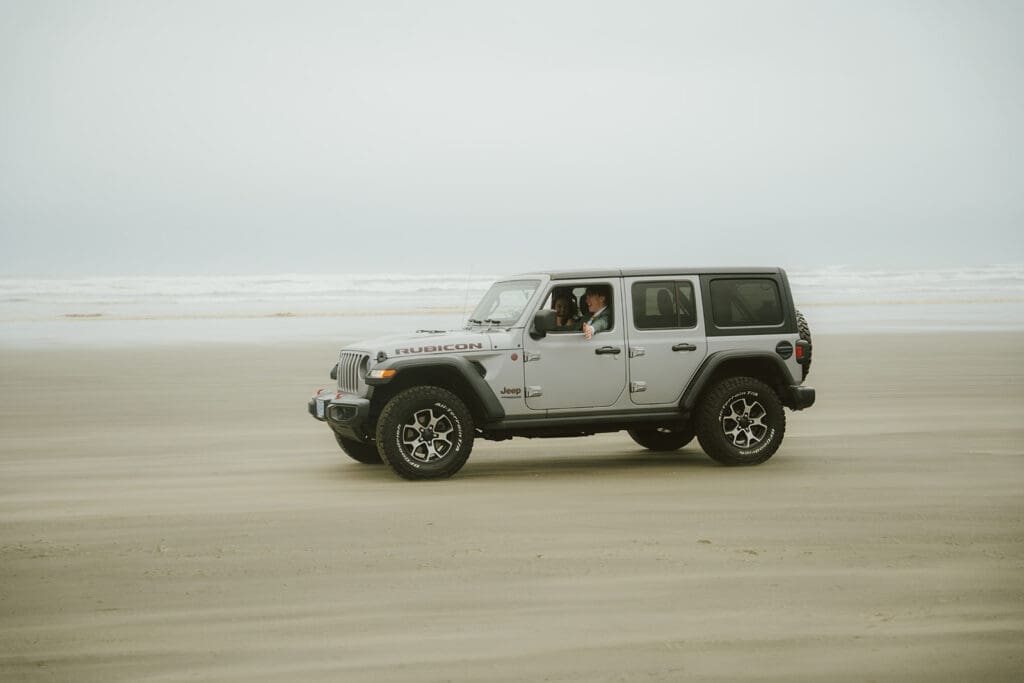
Renting a car is highly recommended if you plan to explore Ireland’s countryside or reach remote wedding locations. Public transport in rural Ireland is limited and can add significant travel time. Cars in Ireland drive on the left side of the road, and rental agencies usually offer both automatic and manual transmissions.
Make sure to book your rental in advance, and bring a credit card that will work internationally for your deposit. Roads outside cities are often narrow and winding, so take your time and enjoy the scenery.
Where to Elope in Ireland
Ireland offers an astonishing variety of landscapes and unique settings for an elopement.
- Cliffs of Moher and Burren Coast offer dramatic cliffside views over the Atlantic.
- Ring of Kerry and Dingle Peninsula are lush, rugged, and incredibly scenic.
- Connemara National Park gives you wild mountains, lakes, and isolation.
- Ancient castles, estates, and ruins can provide fairytale backdrops.
- Emerald countryside fields and forests offer classic Irish pastoral beauty.
No matter where you choose, Ireland’s landscapes lend themselves to intimate, cinematic elopement photography and heartfelt ceremonies.
What to Pack
Ireland’s weather is famously unpredictable, so prepare for a mix of sunshine, rain, and wind, even in summer.
- Layers of clothing, including a waterproof jacket and warm mid-layers.
- Comfortable shoes, especially if you plan to hike to a location or stand on uneven ground.
- Dress and attire bags if you are flying with formal outfits, to ensure they arrive wrinkle-free.
- Adapters and power converters for Irish electrical outlets.
- Printable copies of all legal documents plus backups stored digitally.
- GPS device or offline maps in case cell service is spotty in rural areas.
If your elopement involves a hike, beach, cliff, or farm field, think waterproof boots or hiking shoes, wool socks, and compact rain protection for you and your partner.
Accommodations and Stay
Ireland has options from charming bed and breakfasts to seaside inns, historic castles transformed into hotels, and boutique guesthouses. If you are bringing guests, booking entire cottages or estates can provide privacy and a memorable weekend experience.
Weather and Seasons
Ireland’s weather can be mild and pleasant in late spring and summer, but rain is possible year-round. Summer months (June to August) have long daylight hours and slightly warmer temperatures, while shoulder seasons (April, May, September) can offer quieter travel and stunning landscapes with fewer crowds. Winter is moody and dramatic, which is perfect if you love a more atmospheric elopement vibe.
Practical Travel Tips
- Currency in the Republic of Ireland is the Euro (€), and in Northern Ireland it is the British Pound (£). Credit cards and mobile payments are widely accepted but having some local cash is convenient.
- SIM cards or eSIMs can help you stay connected for maps, music, and last-minute coordination.
- Public transport is reliable between major cities, but for elopements in remote areas renting a car is usually essential.
Final Thoughts
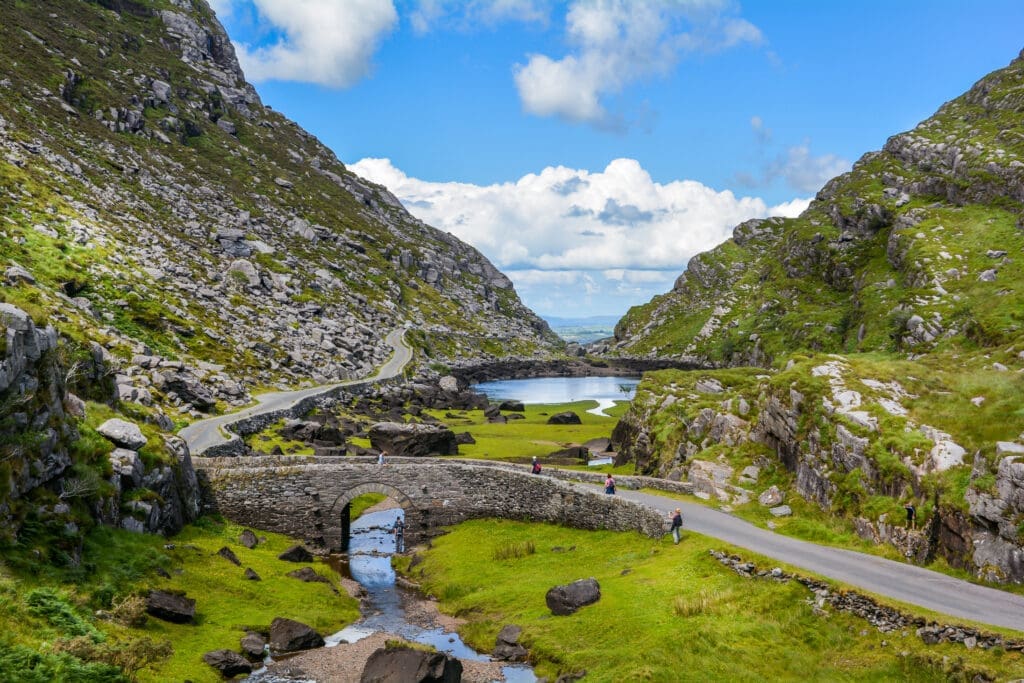
Eloping in Ireland is an epic adventure, combining the romance of your love with some of the world’s most breathtaking landscapes. By taking care of the legal requirements early, knowing where to fly into, planning your travel logistics, and packing thoughtfully, you can focus on the profound experience of marrying your partner surrounded by beauty and nature.
If you want the most up-to-date details on legal paperwork and marriage requirements, visit the official Irish government marriage guidance at gov.ie and Ireland’s travel planning resources for entry requirements and ETA information.
XO,
Marissa Irene
Timberline & Tide Weddings

